Baby Bee: A Designer’s Real-World Embroidery Review
First Impressions: Sweet, Simple, and Surprisingly Versatile
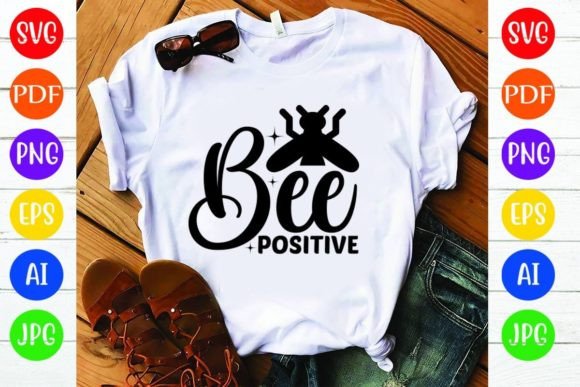
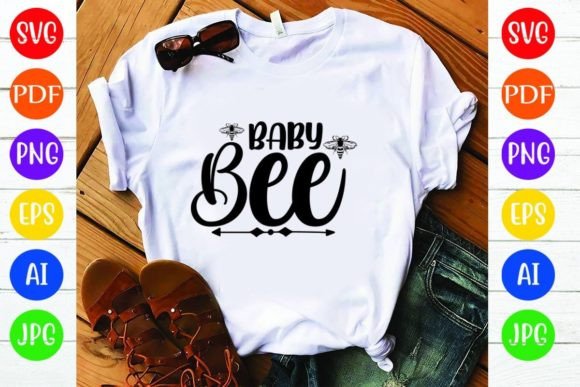
When I opened the Baby Bee design, my immediate thought wasn’t “cute bee” — it was “this has quiet confidence.” The shape is rounded and friendly, with soft curves and just enough detail to read clearly at 3–4 inches tall: gentle wings, a subtle striped body, and a tiny smile that reads as warm, not cutesy. It doesn’t scream for attention — it invites it. As a machine embroidery design, its visual personality leans into gentle storytelling rather than bold graphics. That makes it ideal for baby embroidery, nursery decor, personalized gifts, and small shop products where authenticity matters more than flash.
Where Baby Bee Shines in Real Projects
Last week, I stitched Baby Bee onto a natural linen tea towel for a local boutique’s spring launch. No applique design needed — the clean outline and balanced fill stitch held up beautifully on medium-weight fabric with light stabilizer. It also worked well on a cotton-blend sweatshirt sleeve (medium hoop size), where the satin stitch edges stayed crisp and the wing details didn’t blur. I’ve since used it on embroidered patches for kids’ backpacks, custom aprons for a café’s staff, and even as a subtle chest motif on organic cotton onesies. Its strength lies in restraint: no dense fill areas, no micro-details that vanish under thread, and no thin lines that break apart during stitching.
For Etsy sellers and craft business owners, Baby Bee fits naturally into collections like “Spring Nursery Essentials,” “Bee-Themed Baby Gifts,” or “Minimalist Embroidery for Adults.” It’s equally at home on a handmade tote bag design as it is on a holiday embroidery piece — say, stitched onto a honeycomb-patterned kitchen towel for a beekeeper’s gift basket. Because it’s delivered as a digital embroidery file (plus AI, EPS, SVG, PNG, and PDF), you can scale it thoughtfully — just avoid pushing it below 2 inches unless you’ve tested the stitch density first.
Where to Use Baby Bee With Intention — Not Assumption
Not every surface welcomes Baby Bee without adjustment. On stretchy fabric like jersey t-shirts, I recommend using cutaway stabilizer and reducing stitch speed — the wing tips and antennae are delicate enough that skipped stitches become visible without support. On dark fabric, test thread colors carefully: light yellow or cream works better than stark white for warmth, and navy or charcoal thread gives unexpected sophistication when reversed. For curved surfaces like caps, avoid placing it near the crown seam — the slight distortion there can soften the bee’s expression.
Thin fabrics (like lightweight muslin or rayon challis) need extra stabilization to prevent puckering, especially around the body’s central stripe — that area carries slightly more fill stitch density than the wings. And while Baby Bee holds up well after washing, I wouldn’t use it alone on high-friction items like toddler socks or bibs without reinforcing the back with tear-away + wash-away combo stabilizer.
What Baby Bee Adds to Your Finished Product — Beyond the Stitch
This isn’t just about execution — it’s about resonance. When customers see Baby Bee on a handmade product, they don’t just register “bee.” They sense care, intention, and a quiet nod to nature’s small joys. That lifts perceived value, especially for personalized gifts and boutique branding. For small shop owners, it supports brand consistency without demanding rigid repetition — you can pair it with neutral fonts, soft color palettes, or botanical motifs without clashing. And because it avoids over-detailing, it photographs cleanly in printable mockups — no pixelation, no fuzzy edges, no guesswork for buyers browsing your Etsy listing or Instagram shop.
It also builds trust. Customers who buy embroidered patches or custom apparel notice when details hold up. A crisp wing edge, consistent satin stitch sheen, and balanced proportions tell them you understand craftsmanship — not just software. That translates directly to repeat orders and word-of-mouth referrals.
Practical Notes Every Embroidery Designer Should Check Before Stitching
- Always test on scrap fabric first — especially if you’re using textured fabric or blending thread colors.
- Review stitch density visually — zoom in on the PDF or SVG preview to spot any unusually tight fills or overlapping paths.
- Confirm hoop size compatibility — the design looks optimized for standard 4×4 or larger hoops, but verify before hooping expensive garments.
- Inspect small details — the antennae and wing veins are fine but legible; if your machine struggles with under 0.8mm lines, consider slight thickening in your editing software.
- Test black-and-white mockups — this helps assess contrast and clarity across fabric backgrounds before committing to thread choices.
- Use proper stabilizer for your base fabric — lightweight cutaway for knits, tear-away for stable wovens, and fusible + tear-away for layered garments like hoodies.
- Check licensing terms before selling finished items — while the file formats suggest commercial use, always confirm whether resale of physical products or digital embroidery files is permitted.
Final Thought: A Thoughtful Tool, Not Just a Trend
Baby Bee won’t dominate a busy festival booth or shout from a billboard — and that’s exactly why it works so well in real life. It’s the kind of T-Shirt Designs asset that earns quiet appreciation: on a baby’s onesie at a park, stitched onto a teacher’s apron, or centered on a handmade pillow cover in a sunlit nursery. As a Graphics file, it bridges digital flexibility and tactile charm — scalable for sublimation, clean for embroidery, and expressive without excess. If your craft business values clarity, calm, and craftsmanship over clutter, Baby Bee isn’t just another download. It’s a reliable collaborator in your next embroidery project.